






Every year, as the air turns crisp and the days grow shorter, familiar signs of the festive season begin to appear. Twinkling lights line windows and streets, the scent of pine and spices drifts through homes, and favorite songs and stories make a welcome return. These traditions and objects may seem ordinary because we see them so often, yet each one carries a history and a meaning that help explain why this time of year feels so special.
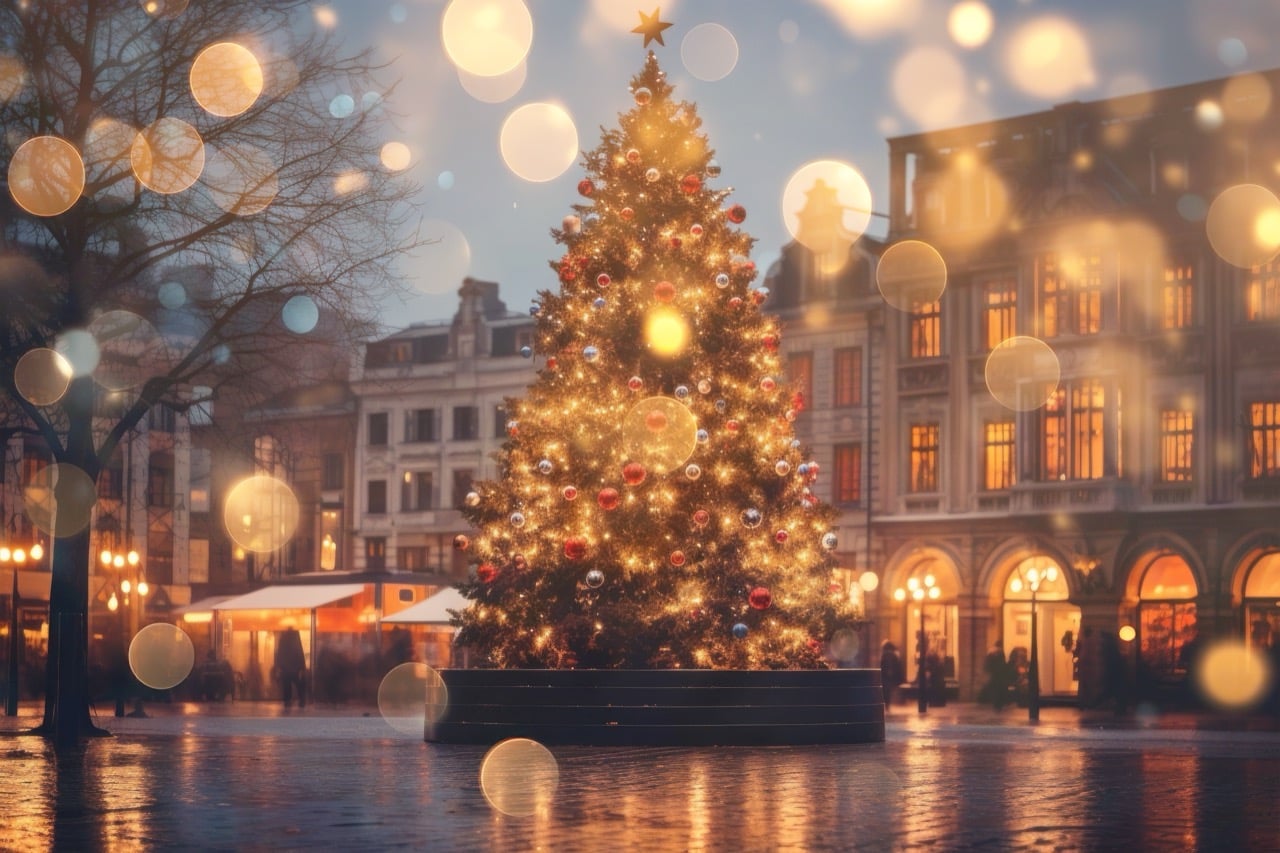
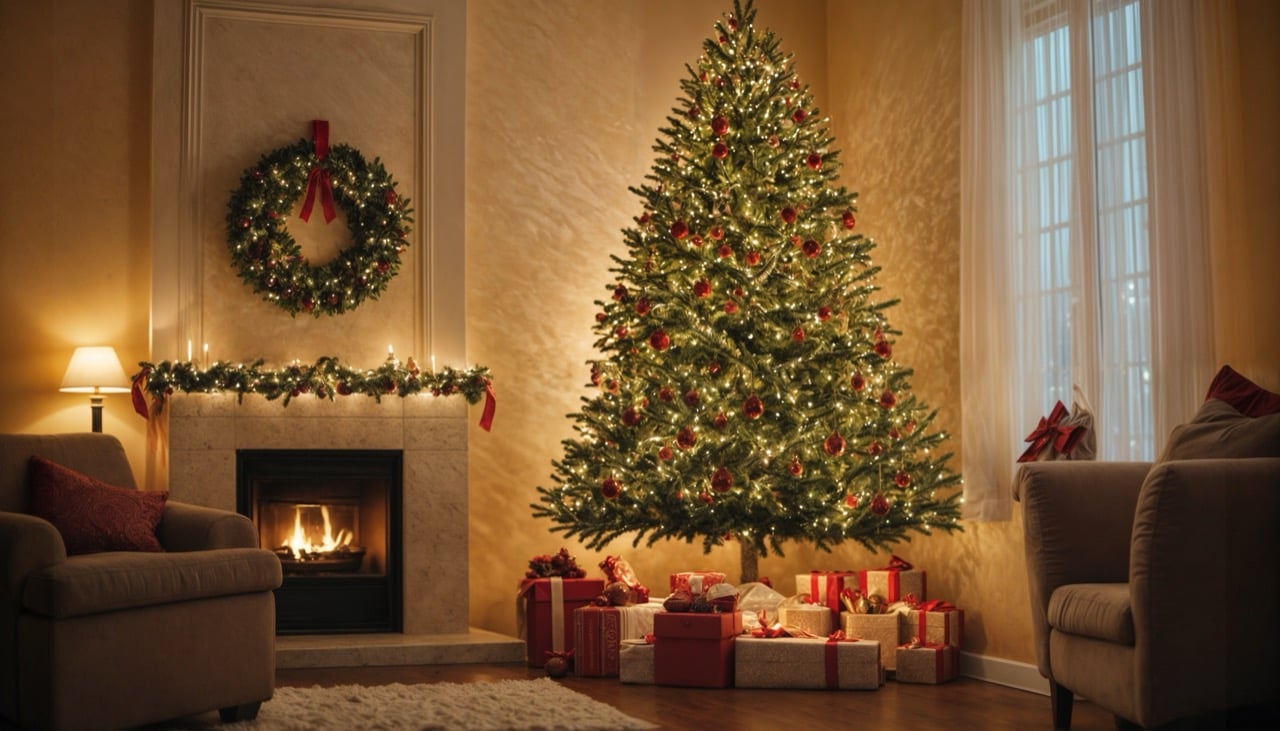
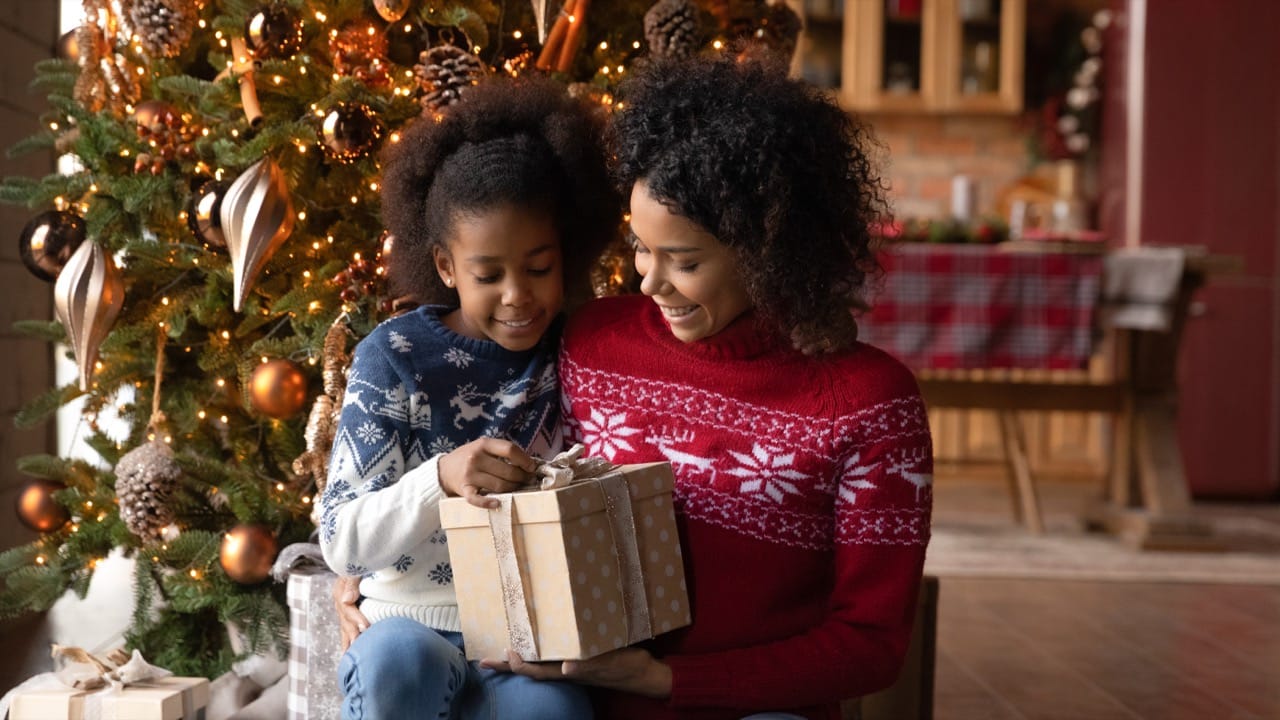
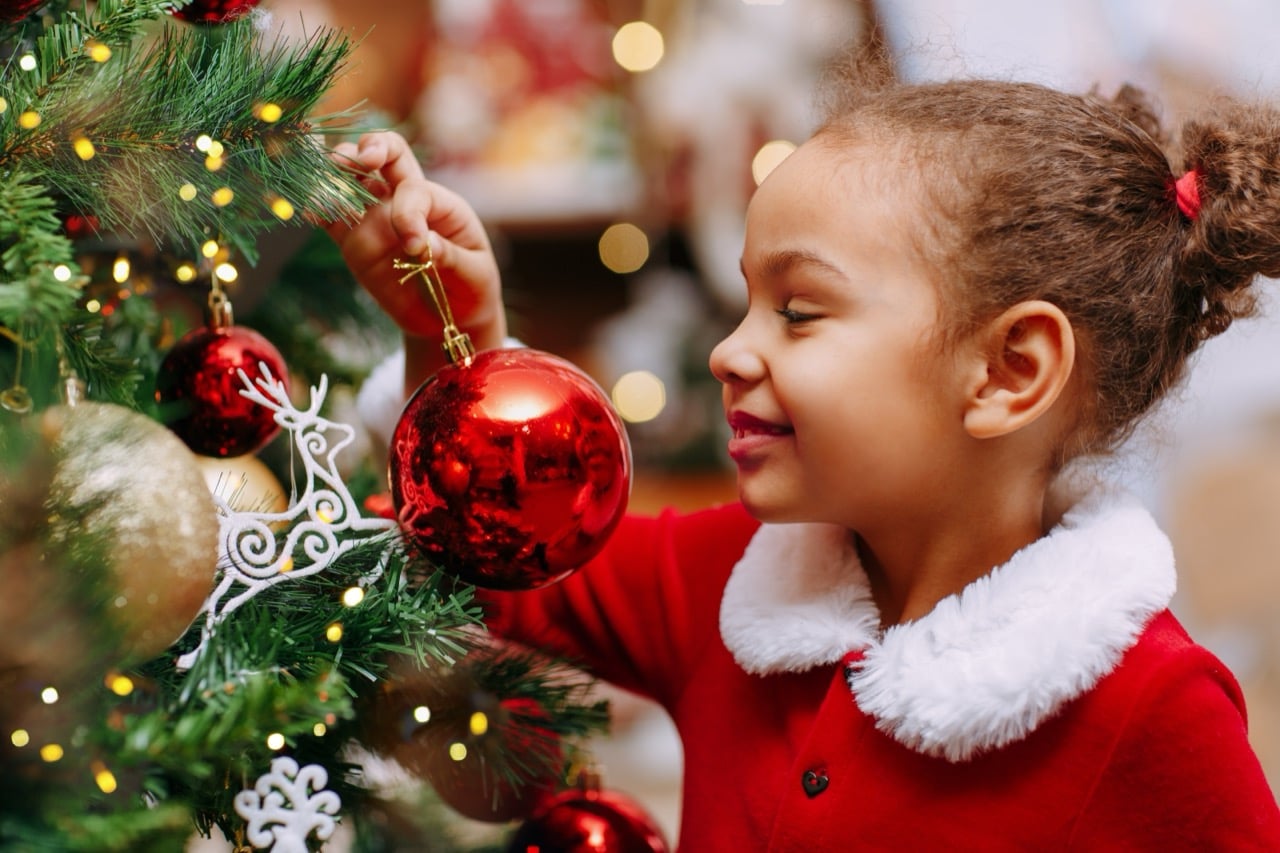
Take decorations, for example. Evergreen trees, wreaths, and garlands are more than just pleasant greenery. For centuries, people in colder regions used evergreens to symbolize life and hope during the darkest part of the year. Today, decorating a tree with lights, ornaments, and keepsakes has become a cherished ritual in many households. Each ornament can tell a story, whether it is a handmade craft from childhood or a souvenir collected on a trip. The act of decorating together often matters as much as the final result, turning a simple tree into a shared memory.
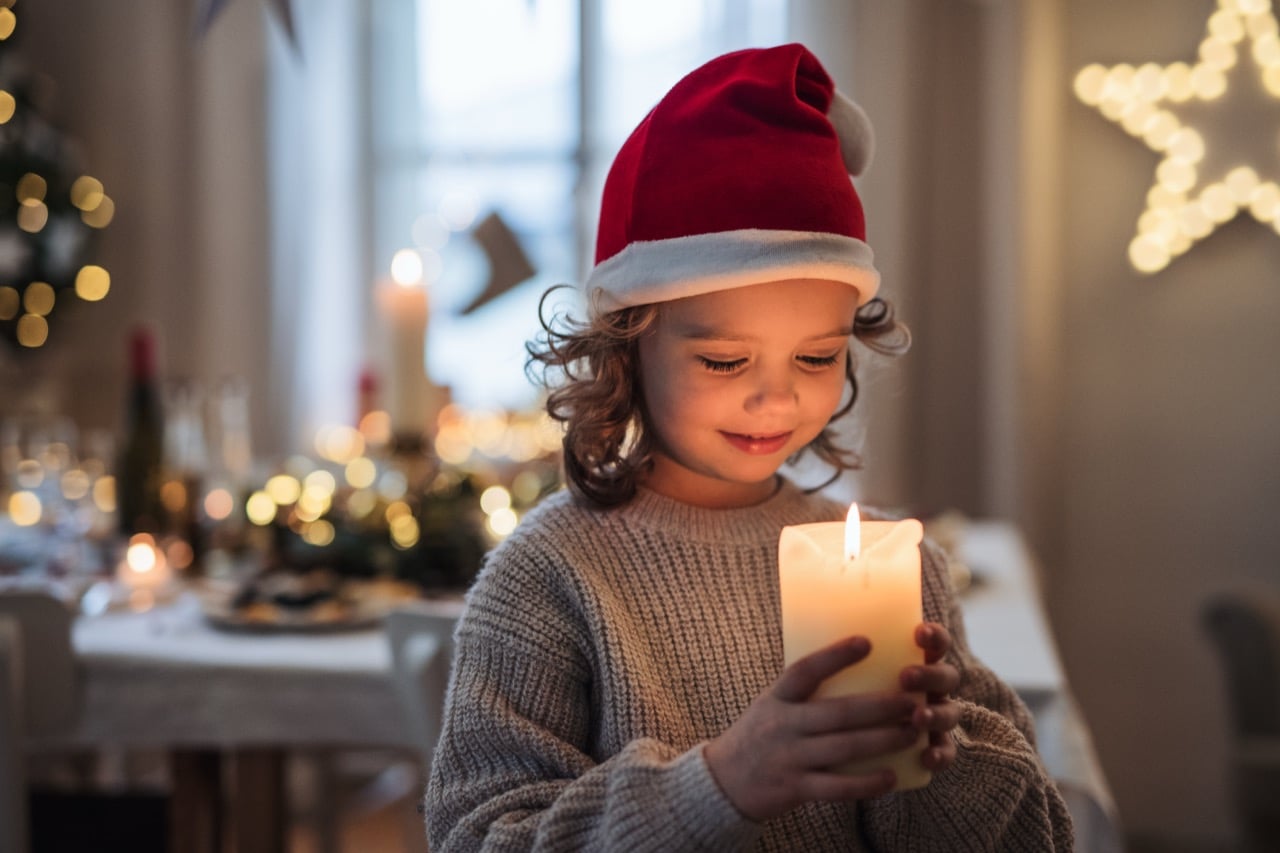
Lights are another essential feature of the season. Long before electric bulbs, candles were used to brighten winter nights and represent warmth, guidance, and celebration. Modern string lights carry that same spirit, whether they are draped around a fireplace, wrapped around a balcony, or displayed in elaborate outdoor scenes. In many cultures, lighting candles or lamps is a central part of religious and cultural observances, symbolizing hope and the triumph of light over darkness.
Festive flavors also play a powerful role. Spices like cinnamon, nutmeg, cloves, and ginger are closely linked to winter celebrations. Historically, these ingredients were rare and expensive, so serving them signaled generosity and abundance. Today, they appear in cookies, cakes, hot drinks, and savory dishes, instantly evoking the season with their rich aromas. A simple mug of hot chocolate or spiced cider can become a comforting ritual, especially when shared with family or friends by a warm fire.
Traditional treats vary widely around the world, yet they serve similar purposes. In some places, special breads or pastries are baked only once a year, turning them into symbols of anticipation and togetherness. In others, sweets are exchanged with neighbors or given to children as part of festivals and parades. Learning about these foods from different cultures reveals how communities express joy and gratitude in their own ways.
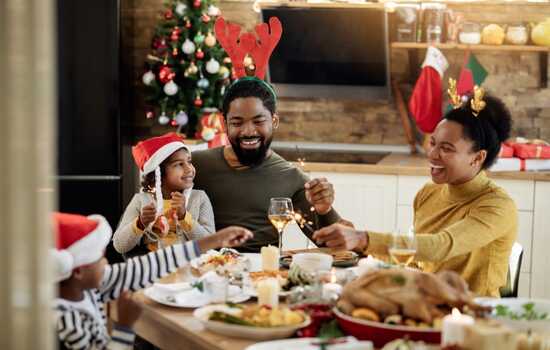
Beyond food and decorations, many households follow time honored customs. These might include exchanging gifts, singing songs, attending religious services, or gathering for a particular meal. Some families have unique rituals, such as reading the same story every year, wearing matching pajamas, or taking an evening walk to admire neighborhood lights. These traditions help create a sense of continuity, linking one generation to the next.
What makes festive essentials truly meaningful is not only their appearance or taste, but the feelings and stories attached to them. They remind us of people we love, places we remember, and values we hope to pass on. By looking more closely at how these customs began and how they are practiced around the world, we gain a deeper appreciation for the season. The familiar becomes new again, and the glow of celebration feels richer, more thoughtful, and more connected to the wider human experience.